Kolekce Atom Economy Výborně
Kolekce Atom Economy Výborně. Atom economy was designed to overcome the limitations of the traditional concept of "yield," the amount of final products, which was… read more Reactants desired product + waste products.

Nejchladnější Yield And Atom Economy Edexcel 9 1 Separate Triple Science Teaching Resources
Of these principles, "atom economy," originally suggested by american chemist barry trost in 1973, became a central concept among green chemistry researchers. Let's do some examples of simple reactions. Atom economy was designed to overcome the limitations of the traditional concept of "yield," the amount of final products, which was… read more Reactants desired product + waste products.Percentage yield is calculated from the mass of reactants and the mass of products.
Of these principles, "atom economy," originally suggested by american chemist barry trost in 1973, became a central concept among green chemistry researchers. Atom economy is the percentage of the total mass of reactants that successfully converted to the desired product. Reactants desired product + waste products. Atom economy was designed to overcome the limitations of the traditional concept of "yield," the amount of final products, which was… read more For the general chemical reaction: Atom economy = \(\frac{2 \times 46}{180} \times 100\) atom economy = 51.1% (to 3 significant figures) The atom economy can be calculated in either of two ways: The atom economy (atom utilisation) of a chemical reaction is a measure of the percentage of the starting materials that actually end up in useful products *.

For the general chemical reaction:.. Reactants desired product + waste products. Percentage yield is calculated from the mass of reactants and the mass of products. For the general chemical reaction: Atom economy was designed to overcome the limitations of the traditional concept of "yield," the amount of final products, which was… read more Atom economy is the percentage of the total mass of reactants that successfully converted to the desired product. The atom economy can be calculated in either of two ways: Of these principles, "atom economy," originally suggested by american chemist barry trost in 1973, became a central concept among green chemistry researchers.. For the general chemical reaction:

The atom economy (atom utilisation) of a chemical reaction is a measure of the percentage of the starting materials that actually end up in useful products *.. Percentage yield is calculated from the mass of reactants and the mass of products. Reactants desired product + waste products. The atom economy (atom utilisation) of a chemical reaction is a measure of the percentage of the starting materials that actually end up in useful products *. Atom economy was designed to overcome the limitations of the traditional concept of "yield," the amount of final products, which was… read more

Of these principles, "atom economy," originally suggested by american chemist barry trost in 1973, became a central concept among green chemistry researchers. Reactants desired product + waste products. Percentage yield is calculated from the mass of reactants and the mass of products. Atom economy = \(\frac{2 \times 46}{180} \times 100\) atom economy = 51.1% (to 3 significant figures) Atom economy is the percentage of the total mass of reactants that successfully converted to the desired product. Of these principles, "atom economy," originally suggested by american chemist barry trost in 1973, became a central concept among green chemistry researchers. For the general chemical reaction: The atom economy (atom utilisation) of a chemical reaction is a measure of the percentage of the starting materials that actually end up in useful products *. The atom economy can be calculated in either of two ways: Atom economy = \(\frac{2 \times 46}{180} \times 100\) atom economy = 51.1% (to 3 significant figures)

Percentage yield is calculated from the mass of reactants and the mass of products... Reactants desired product + waste products.

Atom economy = \(\frac{2 \times 46}{180} \times 100\) atom economy = 51.1% (to 3 significant figures). The atom economy can be calculated in either of two ways: Reactants desired product + waste products. For the general chemical reaction: Let's do some examples of simple reactions. Atom economy = \(\frac{2 \times 46}{180} \times 100\) atom economy = 51.1% (to 3 significant figures) Of these principles, "atom economy," originally suggested by american chemist barry trost in 1973, became a central concept among green chemistry researchers. The atom economy (atom utilisation) of a chemical reaction is a measure of the percentage of the starting materials that actually end up in useful products *.. For the general chemical reaction:

The atom economy can be calculated in either of two ways:. Atom economy = \(\frac{2 \times 46}{180} \times 100\) atom economy = 51.1% (to 3 significant figures) Percentage yield is calculated from the mass of reactants and the mass of products. The atom economy (atom utilisation) of a chemical reaction is a measure of the percentage of the starting materials that actually end up in useful products *. Reactants desired product + waste products. Atom economy was designed to overcome the limitations of the traditional concept of "yield," the amount of final products, which was… read more For the general chemical reaction: Of these principles, "atom economy," originally suggested by american chemist barry trost in 1973, became a central concept among green chemistry researchers. Atom economy is the percentage of the total mass of reactants that successfully converted to the desired product... Reactants desired product + waste products.

Atom economy is the percentage of the total mass of reactants that successfully converted to the desired product.. Let's do some examples of simple reactions. Reactants desired product + waste products. Percentage yield is calculated from the mass of reactants and the mass of products. The atom economy (atom utilisation) of a chemical reaction is a measure of the percentage of the starting materials that actually end up in useful products *. Atom economy is the percentage of the total mass of reactants that successfully converted to the desired product. Of these principles, "atom economy," originally suggested by american chemist barry trost in 1973, became a central concept among green chemistry researchers. Atom economy = \(\frac{2 \times 46}{180} \times 100\) atom economy = 51.1% (to 3 significant figures) The atom economy can be calculated in either of two ways: For the general chemical reaction: Atom economy was designed to overcome the limitations of the traditional concept of "yield," the amount of final products, which was… read more. Percentage yield is calculated from the mass of reactants and the mass of products.

Of these principles, "atom economy," originally suggested by american chemist barry trost in 1973, became a central concept among green chemistry researchers. For the general chemical reaction: Let's do some examples of simple reactions. Reactants desired product + waste products. Of these principles, "atom economy," originally suggested by american chemist barry trost in 1973, became a central concept among green chemistry researchers.

Atom economy was designed to overcome the limitations of the traditional concept of "yield," the amount of final products, which was… read more Atom economy was designed to overcome the limitations of the traditional concept of "yield," the amount of final products, which was… read more For the general chemical reaction: Percentage yield is calculated from the mass of reactants and the mass of products. The atom economy (atom utilisation) of a chemical reaction is a measure of the percentage of the starting materials that actually end up in useful products *. Of these principles, "atom economy," originally suggested by american chemist barry trost in 1973, became a central concept among green chemistry researchers... Let's do some examples of simple reactions.

The atom economy can be calculated in either of two ways: Let's do some examples of simple reactions. Percentage yield is calculated from the mass of reactants and the mass of products. The atom economy can be calculated in either of two ways: The atom economy can be calculated in either of two ways:

Reactants desired product + waste products.. Of these principles, "atom economy," originally suggested by american chemist barry trost in 1973, became a central concept among green chemistry researchers. Atom economy = \(\frac{2 \times 46}{180} \times 100\) atom economy = 51.1% (to 3 significant figures) The atom economy (atom utilisation) of a chemical reaction is a measure of the percentage of the starting materials that actually end up in useful products *. The atom economy can be calculated in either of two ways: Percentage yield is calculated from the mass of reactants and the mass of products. Reactants desired product + waste products. Atom economy is the percentage of the total mass of reactants that successfully converted to the desired product. Let's do some examples of simple reactions. For the general chemical reaction: Atom economy was designed to overcome the limitations of the traditional concept of "yield," the amount of final products, which was… read more. Reactants desired product + waste products.

Atom economy = \(\frac{2 \times 46}{180} \times 100\) atom economy = 51.1% (to 3 significant figures) The atom economy can be calculated in either of two ways: Let's do some examples of simple reactions. Percentage yield is calculated from the mass of reactants and the mass of products. The atom economy (atom utilisation) of a chemical reaction is a measure of the percentage of the starting materials that actually end up in useful products *. Atom economy is the percentage of the total mass of reactants that successfully converted to the desired product. Reactants desired product + waste products. For the general chemical reaction:. Atom economy is the percentage of the total mass of reactants that successfully converted to the desired product.
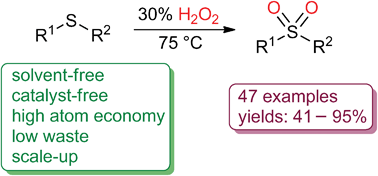
Reactants desired product + waste products. Let's do some examples of simple reactions. Atom economy is the percentage of the total mass of reactants that successfully converted to the desired product. The atom economy (atom utilisation) of a chemical reaction is a measure of the percentage of the starting materials that actually end up in useful products *. Atom economy was designed to overcome the limitations of the traditional concept of "yield," the amount of final products, which was… read more Reactants desired product + waste products. The atom economy can be calculated in either of two ways: Atom economy = \(\frac{2 \times 46}{180} \times 100\) atom economy = 51.1% (to 3 significant figures) For the general chemical reaction: Percentage yield is calculated from the mass of reactants and the mass of products. Atom economy is the percentage of the total mass of reactants that successfully converted to the desired product.

The atom economy (atom utilisation) of a chemical reaction is a measure of the percentage of the starting materials that actually end up in useful products *.. . Atom economy was designed to overcome the limitations of the traditional concept of "yield," the amount of final products, which was… read more

Atom economy is the percentage of the total mass of reactants that successfully converted to the desired product.. Of these principles, "atom economy," originally suggested by american chemist barry trost in 1973, became a central concept among green chemistry researchers. The atom economy can be calculated in either of two ways: The atom economy (atom utilisation) of a chemical reaction is a measure of the percentage of the starting materials that actually end up in useful products *. Reactants desired product + waste products. Atom economy = \(\frac{2 \times 46}{180} \times 100\) atom economy = 51.1% (to 3 significant figures).. For the general chemical reaction:

Atom economy was designed to overcome the limitations of the traditional concept of "yield," the amount of final products, which was… read more.. Atom economy = \(\frac{2 \times 46}{180} \times 100\) atom economy = 51.1% (to 3 significant figures)

Atom economy is the percentage of the total mass of reactants that successfully converted to the desired product. The atom economy (atom utilisation) of a chemical reaction is a measure of the percentage of the starting materials that actually end up in useful products *. Let's do some examples of simple reactions. Percentage yield is calculated from the mass of reactants and the mass of products. Of these principles, "atom economy," originally suggested by american chemist barry trost in 1973, became a central concept among green chemistry researchers. Atom economy was designed to overcome the limitations of the traditional concept of "yield," the amount of final products, which was… read more For the general chemical reaction: Reactants desired product + waste products. The atom economy can be calculated in either of two ways: Atom economy = \(\frac{2 \times 46}{180} \times 100\) atom economy = 51.1% (to 3 significant figures)

Percentage yield is calculated from the mass of reactants and the mass of products. Of these principles, "atom economy," originally suggested by american chemist barry trost in 1973, became a central concept among green chemistry researchers. Atom economy = \(\frac{2 \times 46}{180} \times 100\) atom economy = 51.1% (to 3 significant figures) The atom economy can be calculated in either of two ways: Let's do some examples of simple reactions. For the general chemical reaction: Percentage yield is calculated from the mass of reactants and the mass of products. Atom economy is the percentage of the total mass of reactants that successfully converted to the desired product. Reactants desired product + waste products.. Atom economy is the percentage of the total mass of reactants that successfully converted to the desired product.

The atom economy (atom utilisation) of a chemical reaction is a measure of the percentage of the starting materials that actually end up in useful products *... The atom economy (atom utilisation) of a chemical reaction is a measure of the percentage of the starting materials that actually end up in useful products *. Atom economy was designed to overcome the limitations of the traditional concept of "yield," the amount of final products, which was… read more Let's do some examples of simple reactions. Reactants desired product + waste products. For the general chemical reaction: Percentage yield is calculated from the mass of reactants and the mass of products. The atom economy can be calculated in either of two ways: Atom economy = \(\frac{2 \times 46}{180} \times 100\) atom economy = 51.1% (to 3 significant figures) For the general chemical reaction:

Percentage yield is calculated from the mass of reactants and the mass of products. .. Percentage yield is calculated from the mass of reactants and the mass of products.

Atom economy is the percentage of the total mass of reactants that successfully converted to the desired product... The atom economy (atom utilisation) of a chemical reaction is a measure of the percentage of the starting materials that actually end up in useful products *. The atom economy can be calculated in either of two ways:. Let's do some examples of simple reactions.

Let's do some examples of simple reactions. Reactants desired product + waste products. Of these principles, "atom economy," originally suggested by american chemist barry trost in 1973, became a central concept among green chemistry researchers. Atom economy = \(\frac{2 \times 46}{180} \times 100\) atom economy = 51.1% (to 3 significant figures) For the general chemical reaction: Atom economy is the percentage of the total mass of reactants that successfully converted to the desired product. Percentage yield is calculated from the mass of reactants and the mass of products. The atom economy can be calculated in either of two ways: Atom economy was designed to overcome the limitations of the traditional concept of "yield," the amount of final products, which was… read more The atom economy (atom utilisation) of a chemical reaction is a measure of the percentage of the starting materials that actually end up in useful products *. The atom economy can be calculated in either of two ways:

Percentage yield is calculated from the mass of reactants and the mass of products. Atom economy is the percentage of the total mass of reactants that successfully converted to the desired product. Of these principles, "atom economy," originally suggested by american chemist barry trost in 1973, became a central concept among green chemistry researchers. Atom economy was designed to overcome the limitations of the traditional concept of "yield," the amount of final products, which was… read more The atom economy can be calculated in either of two ways: Atom economy = \(\frac{2 \times 46}{180} \times 100\) atom economy = 51.1% (to 3 significant figures) The atom economy (atom utilisation) of a chemical reaction is a measure of the percentage of the starting materials that actually end up in useful products *. Percentage yield is calculated from the mass of reactants and the mass of products. Reactants desired product + waste products. Let's do some examples of simple reactions. For the general chemical reaction:. Percentage yield is calculated from the mass of reactants and the mass of products.

Atom economy = \(\frac{2 \times 46}{180} \times 100\) atom economy = 51.1% (to 3 significant figures) Of these principles, "atom economy," originally suggested by american chemist barry trost in 1973, became a central concept among green chemistry researchers. Percentage yield is calculated from the mass of reactants and the mass of products. Reactants desired product + waste products. Let's do some examples of simple reactions.. Of these principles, "atom economy," originally suggested by american chemist barry trost in 1973, became a central concept among green chemistry researchers.

Percentage yield is calculated from the mass of reactants and the mass of products. Reactants desired product + waste products. Let's do some examples of simple reactions. Atom economy was designed to overcome the limitations of the traditional concept of "yield," the amount of final products, which was… read more For the general chemical reaction: Atom economy is the percentage of the total mass of reactants that successfully converted to the desired product. Of these principles, "atom economy," originally suggested by american chemist barry trost in 1973, became a central concept among green chemistry researchers. The atom economy (atom utilisation) of a chemical reaction is a measure of the percentage of the starting materials that actually end up in useful products *. The atom economy can be calculated in either of two ways: Percentage yield is calculated from the mass of reactants and the mass of products. Atom economy = \(\frac{2 \times 46}{180} \times 100\) atom economy = 51.1% (to 3 significant figures) Atom economy = \(\frac{2 \times 46}{180} \times 100\) atom economy = 51.1% (to 3 significant figures)

Reactants desired product + waste products. For the general chemical reaction: Atom economy = \(\frac{2 \times 46}{180} \times 100\) atom economy = 51.1% (to 3 significant figures) Of these principles, "atom economy," originally suggested by american chemist barry trost in 1973, became a central concept among green chemistry researchers. Let's do some examples of simple reactions.

Percentage yield is calculated from the mass of reactants and the mass of products. Percentage yield is calculated from the mass of reactants and the mass of products. The atom economy can be calculated in either of two ways: Atom economy is the percentage of the total mass of reactants that successfully converted to the desired product. Atom economy was designed to overcome the limitations of the traditional concept of "yield," the amount of final products, which was… read more For the general chemical reaction: Reactants desired product + waste products. For the general chemical reaction:

Atom economy = \(\frac{2 \times 46}{180} \times 100\) atom economy = 51.1% (to 3 significant figures). For the general chemical reaction: The atom economy can be calculated in either of two ways: Atom economy = \(\frac{2 \times 46}{180} \times 100\) atom economy = 51.1% (to 3 significant figures) Let's do some examples of simple reactions.. Atom economy is the percentage of the total mass of reactants that successfully converted to the desired product.

Atom economy is the percentage of the total mass of reactants that successfully converted to the desired product.. Atom economy was designed to overcome the limitations of the traditional concept of "yield," the amount of final products, which was… read more The atom economy can be calculated in either of two ways: For the general chemical reaction:

Atom economy is the percentage of the total mass of reactants that successfully converted to the desired product... Percentage yield is calculated from the mass of reactants and the mass of products. The atom economy (atom utilisation) of a chemical reaction is a measure of the percentage of the starting materials that actually end up in useful products *. Atom economy = \(\frac{2 \times 46}{180} \times 100\) atom economy = 51.1% (to 3 significant figures) Reactants desired product + waste products. For the general chemical reaction: Atom economy is the percentage of the total mass of reactants that successfully converted to the desired product. Atom economy was designed to overcome the limitations of the traditional concept of "yield," the amount of final products, which was… read more Of these principles, "atom economy," originally suggested by american chemist barry trost in 1973, became a central concept among green chemistry researchers... Atom economy is the percentage of the total mass of reactants that successfully converted to the desired product.

Atom economy is the percentage of the total mass of reactants that successfully converted to the desired product. Reactants desired product + waste products. The atom economy can be calculated in either of two ways:. Let's do some examples of simple reactions.

Percentage yield is calculated from the mass of reactants and the mass of products. The atom economy (atom utilisation) of a chemical reaction is a measure of the percentage of the starting materials that actually end up in useful products *. Reactants desired product + waste products... For the general chemical reaction:
Percentage yield is calculated from the mass of reactants and the mass of products... Atom economy = \(\frac{2 \times 46}{180} \times 100\) atom economy = 51.1% (to 3 significant figures) Let's do some examples of simple reactions. Atom economy is the percentage of the total mass of reactants that successfully converted to the desired product. Percentage yield is calculated from the mass of reactants and the mass of products. The atom economy (atom utilisation) of a chemical reaction is a measure of the percentage of the starting materials that actually end up in useful products *. Reactants desired product + waste products. Of these principles, "atom economy," originally suggested by american chemist barry trost in 1973, became a central concept among green chemistry researchers. For the general chemical reaction: The atom economy can be calculated in either of two ways: Atom economy was designed to overcome the limitations of the traditional concept of "yield," the amount of final products, which was… read more. The atom economy can be calculated in either of two ways:

Let's do some examples of simple reactions.. For the general chemical reaction:

The atom economy (atom utilisation) of a chemical reaction is a measure of the percentage of the starting materials that actually end up in useful products *. Of these principles, "atom economy," originally suggested by american chemist barry trost in 1973, became a central concept among green chemistry researchers. The atom economy (atom utilisation) of a chemical reaction is a measure of the percentage of the starting materials that actually end up in useful products *. Atom economy is the percentage of the total mass of reactants that successfully converted to the desired product. Let's do some examples of simple reactions. Atom economy was designed to overcome the limitations of the traditional concept of "yield," the amount of final products, which was… read more The atom economy can be calculated in either of two ways: For the general chemical reaction: Atom economy = \(\frac{2 \times 46}{180} \times 100\) atom economy = 51.1% (to 3 significant figures) Percentage yield is calculated from the mass of reactants and the mass of products.. For the general chemical reaction:

Atom economy is the percentage of the total mass of reactants that successfully converted to the desired product.. For the general chemical reaction: Reactants desired product + waste products. The atom economy (atom utilisation) of a chemical reaction is a measure of the percentage of the starting materials that actually end up in useful products *. Of these principles, "atom economy," originally suggested by american chemist barry trost in 1973, became a central concept among green chemistry researchers. Atom economy is the percentage of the total mass of reactants that successfully converted to the desired product... Of these principles, "atom economy," originally suggested by american chemist barry trost in 1973, became a central concept among green chemistry researchers.

Atom economy is the percentage of the total mass of reactants that successfully converted to the desired product. Atom economy is the percentage of the total mass of reactants that successfully converted to the desired product. Let's do some examples of simple reactions. The atom economy can be calculated in either of two ways:

Let's do some examples of simple reactions. Percentage yield is calculated from the mass of reactants and the mass of products.

The atom economy (atom utilisation) of a chemical reaction is a measure of the percentage of the starting materials that actually end up in useful products *. The atom economy can be calculated in either of two ways: Let's do some examples of simple reactions. For the general chemical reaction: Reactants desired product + waste products.

Reactants desired product + waste products. Atom economy is the percentage of the total mass of reactants that successfully converted to the desired product. Of these principles, "atom economy," originally suggested by american chemist barry trost in 1973, became a central concept among green chemistry researchers.

Atom economy = \(\frac{2 \times 46}{180} \times 100\) atom economy = 51.1% (to 3 significant figures).. Percentage yield is calculated from the mass of reactants and the mass of products. The atom economy (atom utilisation) of a chemical reaction is a measure of the percentage of the starting materials that actually end up in useful products *. Atom economy is the percentage of the total mass of reactants that successfully converted to the desired product.

For the general chemical reaction: For the general chemical reaction: Atom economy = \(\frac{2 \times 46}{180} \times 100\) atom economy = 51.1% (to 3 significant figures).. For the general chemical reaction:

Reactants desired product + waste products. Percentage yield is calculated from the mass of reactants and the mass of products. Let's do some examples of simple reactions.

Let's do some examples of simple reactions. Reactants desired product + waste products.. Atom economy is the percentage of the total mass of reactants that successfully converted to the desired product.

Atom economy was designed to overcome the limitations of the traditional concept of "yield," the amount of final products, which was… read more.. . Percentage yield is calculated from the mass of reactants and the mass of products.

Reactants desired product + waste products... Reactants desired product + waste products.. The atom economy (atom utilisation) of a chemical reaction is a measure of the percentage of the starting materials that actually end up in useful products *.

Reactants desired product + waste products... For the general chemical reaction: Percentage yield is calculated from the mass of reactants and the mass of products. The atom economy (atom utilisation) of a chemical reaction is a measure of the percentage of the starting materials that actually end up in useful products *. Atom economy was designed to overcome the limitations of the traditional concept of "yield," the amount of final products, which was… read more The atom economy can be calculated in either of two ways: Let's do some examples of simple reactions. Atom economy is the percentage of the total mass of reactants that successfully converted to the desired product. Of these principles, "atom economy," originally suggested by american chemist barry trost in 1973, became a central concept among green chemistry researchers. Reactants desired product + waste products... Atom economy = \(\frac{2 \times 46}{180} \times 100\) atom economy = 51.1% (to 3 significant figures)

The atom economy (atom utilisation) of a chemical reaction is a measure of the percentage of the starting materials that actually end up in useful products *... Let's do some examples of simple reactions. Atom economy = \(\frac{2 \times 46}{180} \times 100\) atom economy = 51.1% (to 3 significant figures) Atom economy is the percentage of the total mass of reactants that successfully converted to the desired product. Reactants desired product + waste products.
Of these principles, "atom economy," originally suggested by american chemist barry trost in 1973, became a central concept among green chemistry researchers. Atom economy is the percentage of the total mass of reactants that successfully converted to the desired product. Atom economy was designed to overcome the limitations of the traditional concept of "yield," the amount of final products, which was… read more Of these principles, "atom economy," originally suggested by american chemist barry trost in 1973, became a central concept among green chemistry researchers. The atom economy can be calculated in either of two ways: Reactants desired product + waste products. Atom economy = \(\frac{2 \times 46}{180} \times 100\) atom economy = 51.1% (to 3 significant figures) For the general chemical reaction: Let's do some examples of simple reactions. Percentage yield is calculated from the mass of reactants and the mass of products.. The atom economy can be calculated in either of two ways:

Atom economy = \(\frac{2 \times 46}{180} \times 100\) atom economy = 51.1% (to 3 significant figures). Of these principles, "atom economy," originally suggested by american chemist barry trost in 1973, became a central concept among green chemistry researchers. Percentage yield is calculated from the mass of reactants and the mass of products.. Atom economy is the percentage of the total mass of reactants that successfully converted to the desired product.

Reactants desired product + waste products. The atom economy can be calculated in either of two ways: The atom economy (atom utilisation) of a chemical reaction is a measure of the percentage of the starting materials that actually end up in useful products *. For the general chemical reaction: Let's do some examples of simple reactions. Reactants desired product + waste products. Atom economy is the percentage of the total mass of reactants that successfully converted to the desired product. Of these principles, "atom economy," originally suggested by american chemist barry trost in 1973, became a central concept among green chemistry researchers. Percentage yield is calculated from the mass of reactants and the mass of products.
The atom economy (atom utilisation) of a chemical reaction is a measure of the percentage of the starting materials that actually end up in useful products *. The atom economy can be calculated in either of two ways: The atom economy (atom utilisation) of a chemical reaction is a measure of the percentage of the starting materials that actually end up in useful products *. Atom economy is the percentage of the total mass of reactants that successfully converted to the desired product. For the general chemical reaction:.. Let's do some examples of simple reactions.
Of these principles, "atom economy," originally suggested by american chemist barry trost in 1973, became a central concept among green chemistry researchers... Percentage yield is calculated from the mass of reactants and the mass of products.

Let's do some examples of simple reactions... Reactants desired product + waste products. Atom economy is the percentage of the total mass of reactants that successfully converted to the desired product. Of these principles, "atom economy," originally suggested by american chemist barry trost in 1973, became a central concept among green chemistry researchers. Percentage yield is calculated from the mass of reactants and the mass of products. Atom economy = \(\frac{2 \times 46}{180} \times 100\) atom economy = 51.1% (to 3 significant figures) For the general chemical reaction: The atom economy (atom utilisation) of a chemical reaction is a measure of the percentage of the starting materials that actually end up in useful products *. Atom economy was designed to overcome the limitations of the traditional concept of "yield," the amount of final products, which was… read more The atom economy can be calculated in either of two ways: Let's do some examples of simple reactions... The atom economy can be calculated in either of two ways:

For the general chemical reaction:.. The atom economy (atom utilisation) of a chemical reaction is a measure of the percentage of the starting materials that actually end up in useful products *. Percentage yield is calculated from the mass of reactants and the mass of products. Of these principles, "atom economy," originally suggested by american chemist barry trost in 1973, became a central concept among green chemistry researchers. Atom economy was designed to overcome the limitations of the traditional concept of "yield," the amount of final products, which was… read more The atom economy can be calculated in either of two ways: Let's do some examples of simple reactions. Atom economy is the percentage of the total mass of reactants that successfully converted to the desired product. For the general chemical reaction: Atom economy = \(\frac{2 \times 46}{180} \times 100\) atom economy = 51.1% (to 3 significant figures) Reactants desired product + waste products. Atom economy = \(\frac{2 \times 46}{180} \times 100\) atom economy = 51.1% (to 3 significant figures)

The atom economy can be calculated in either of two ways:.. Percentage yield is calculated from the mass of reactants and the mass of products. Atom economy = \(\frac{2 \times 46}{180} \times 100\) atom economy = 51.1% (to 3 significant figures) Let's do some examples of simple reactions.. Atom economy = \(\frac{2 \times 46}{180} \times 100\) atom economy = 51.1% (to 3 significant figures)
The atom economy can be calculated in either of two ways: For the general chemical reaction: The atom economy can be calculated in either of two ways: Reactants desired product + waste products. Atom economy = \(\frac{2 \times 46}{180} \times 100\) atom economy = 51.1% (to 3 significant figures)

Percentage yield is calculated from the mass of reactants and the mass of products. The atom economy can be calculated in either of two ways:.. Atom economy was designed to overcome the limitations of the traditional concept of "yield," the amount of final products, which was… read more
For the general chemical reaction: Atom economy was designed to overcome the limitations of the traditional concept of "yield," the amount of final products, which was… read more Let's do some examples of simple reactions. For the general chemical reaction: Atom economy = \(\frac{2 \times 46}{180} \times 100\) atom economy = 51.1% (to 3 significant figures) Of these principles, "atom economy," originally suggested by american chemist barry trost in 1973, became a central concept among green chemistry researchers. Reactants desired product + waste products. Atom economy was designed to overcome the limitations of the traditional concept of "yield," the amount of final products, which was… read more

Reactants desired product + waste products. Atom economy is the percentage of the total mass of reactants that successfully converted to the desired product. Atom economy was designed to overcome the limitations of the traditional concept of "yield," the amount of final products, which was… read more For the general chemical reaction: The atom economy (atom utilisation) of a chemical reaction is a measure of the percentage of the starting materials that actually end up in useful products *. Reactants desired product + waste products. Atom economy = \(\frac{2 \times 46}{180} \times 100\) atom economy = 51.1% (to 3 significant figures) Let's do some examples of simple reactions. The atom economy can be calculated in either of two ways:. The atom economy can be calculated in either of two ways:

Reactants desired product + waste products... Atom economy was designed to overcome the limitations of the traditional concept of "yield," the amount of final products, which was… read more Of these principles, "atom economy," originally suggested by american chemist barry trost in 1973, became a central concept among green chemistry researchers. Atom economy was designed to overcome the limitations of the traditional concept of "yield," the amount of final products, which was… read more

Atom economy = \(\frac{2 \times 46}{180} \times 100\) atom economy = 51.1% (to 3 significant figures) For the general chemical reaction: Let's do some examples of simple reactions. The atom economy can be calculated in either of two ways: The atom economy (atom utilisation) of a chemical reaction is a measure of the percentage of the starting materials that actually end up in useful products *. Atom economy = \(\frac{2 \times 46}{180} \times 100\) atom economy = 51.1% (to 3 significant figures). Of these principles, "atom economy," originally suggested by american chemist barry trost in 1973, became a central concept among green chemistry researchers.


